
Organizing a dream trip is not just about choosing a beautiful photo on social media. Behind every destination lie budget constraints, security issues, and formalities that determine the success of the stay. Here’s how to approach preparation methodically, taking into account the realities on the ground in 2026.
Security and Risk Perception: The Criterion That Influences Destination Choice
Security has become a significant filter in selecting a destination. According to a CRSI France analysis from July 2026, the perception of the risk of armed conflict weighs heavily on the majority of French travelers, with a notable increase over the past two years.
This figure changes the game for trip organization. Terrorist risks, social unrest, and personal attacks are increasingly considered in selection criteria. As a result, destinations perceived as stable (Portugal, Greece, Italy, Spain) are capturing a growing share of bookings.
To go beyond feelings, consult the country reports from the Ministry of Foreign Affairs. They detail discouraged areas, health risks, and consular formalities. A well-prepared dream trip starts with this verification, even before comparing flight tickets.
Dream Destinations in 2026: Confirmed Trends
The summer 2026 barometer from Copines de Voyage reveals a 25% increase in bookings in June compared to the same period in 2025. This phenomenon, referred to as “revenge travel,” reflects a need to make up for postponed or canceled trips. The top 5 favored destinations are Greece, Bali, Portugal, Italy, and Spain.
Another strong trend is the focus on France. About two-thirds of travelers who have already decided on their destination plan to stay within the Hexagon, compared to only 44% of Europeans on average. This choice is explained by the diversity of landscapes, control over transportation budgets, and the absence of customs formalities.
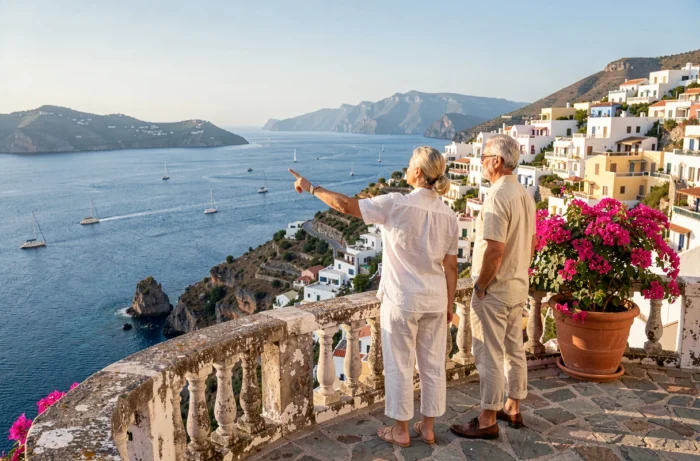
Preparing a tailored itinerary requires cross-referencing multiple sources of information. Platforms like lamaisonduvoyageur.com gather useful resources to refine your destination choice and structure your journey.
Travel Budget: Balancing Destination, Accommodation, and Activities
The price of the plane ticket represents only a fraction of the total budget. Why is this point so often underestimated? Because flight comparison tools create the illusion of controlled costs, while accommodation, activities on-site, and travel insurance often weigh more heavily.
Here are the areas to calibrate before booking:
- Accommodation and on-site dining: in certain countries (Bali, Sri Lanka, Portugal), the cost of living compensates significantly for a more expensive ticket. Compare the daily budget, not just the flight.
- Travel insurance: according to a study of the French market, about one in two travelers is now insured. Check the guarantees of your credit card before taking out a separate contract.
- Activities and excursions: book major visits in advance. Highly frequented sites (temples in Bali, national parks in Costa Rica) sometimes impose daily quotas.
- Contingency margin: set aside a budget for unplanned expenses. A missed transfer or an extra night can upset a tight budget.
The Question of Mauritius and Indian Ocean Destinations
Mauritius regularly appears on lists of dream destinations. The value for money there depends heavily on the season. Outside of French school holidays, airfares and hotel rates drop significantly. Prefer the months of May or October to enjoy pleasant weather without overcrowding.
Formalities and Entry Systems in Europe: What Changes for Travelers
Organizing a trip also involves regulatory monitoring. The EES (Entry/Exit System) modifies border controls in Europe. This system records the entries and exits of non-European travelers through biometric data.
For French travelers going outside the Schengen area, the ETIAS (European Travel Information and Authorization System) will require prior online authorization to enter certain countries. Check entry requirements before purchasing your tickets, as a valid passport is no longer sufficient everywhere.

Practical Tips for Your Formalities
- Check the expiration date of your passport: several countries require a validity of six months after the return date.
- Inquire about mandatory online procedures. A French traveler recently reported being blocked at the boarding counter for failing to complete a digital formality.
- Keep a digital copy of your documents (passport, insurance, reservations) accessible offline.
Building a Realistic Travel Itinerary
A common trap is to stack destinations to “maximize” the trip. Three cities in ten days leave little room for the unexpected, fatigue, or spontaneous discovery. Two to three well-chosen stops are better than a tourist marathon.
Start by identifying the pace that suits you. A beach holiday on an island has a different logistics than a road trip across several countries. Adjust the number of nights per stop based on actual distances and local modes of transport.
Keep at least one “blank” day per week of travel. It is often during these unplanned moments that the best memories are made, a meeting in a local market, a beach discovered by chance, a restaurant recommended by a local.
Organizing your dream trip relies on a balance between rigorous preparation and flexibility. A day without a schedule in a coastal village or an afternoon spent chatting with a local artisan often brings more than a tenth visit to a monument.