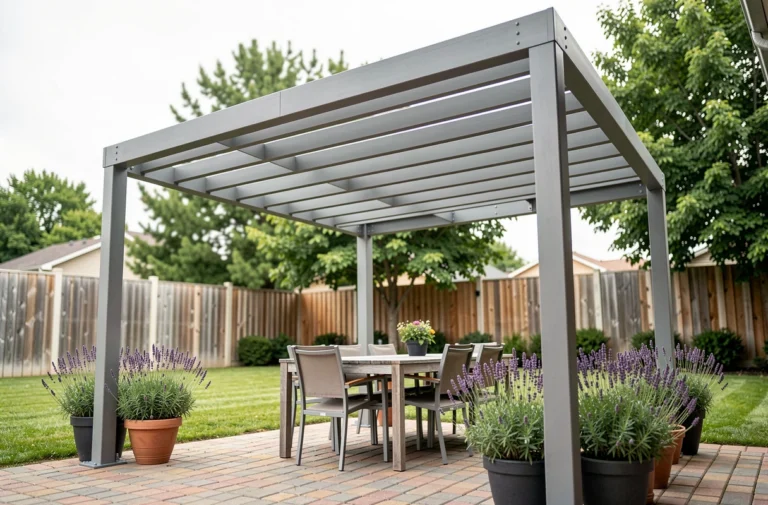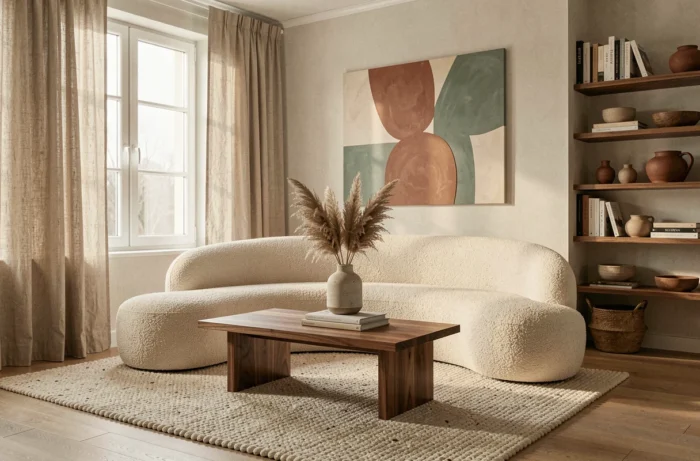
This season’s decor trends go beyond just offering new palettes or attractive shapes. They reflect a fundamental shift in how we conceive and specify interiors: traceability of materials, air quality, and reparability of components. Interior design is moving towards a logic of proof, not just discourse.
European Regulation and Traceability: What Changes for Furniture in 2026
The European regulatory framework is redefining the criteria for selecting furniture well before any aesthetic considerations. Stricter restrictions on formaldehyde are altering the specifications for particle boards and plywood used in furniture manufacturing. For specifiers, this means checking suppliers’ technical data sheets, not just their color catalog.
The implementation of the PPWR regulation on packaging is also pushing manufacturers to rethink logistics and packaging. A piece of furniture delivered with less non-recyclable packaging can sometimes be more expensive to produce, which affects the final price.
The preparation of the future EUDR regulation on wood traceability requires brands to document the origin of their supplies. We are seeing several furniture publishers already anticipating these requirements by publishing supply chain reports. Sustainability is becoming a requirement for proof, not a marketing argument. To closely follow these developments, Inside Out news regularly covers the sector’s transformations.
Authentic Materials vs. Industrial Finishes: A Technical Arbitration
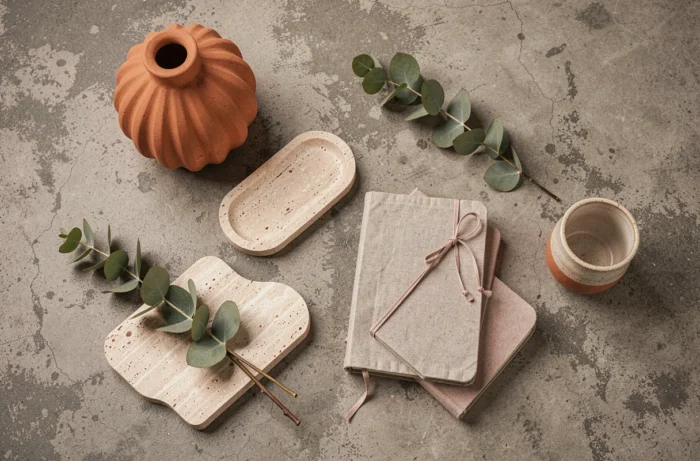
So-called authentic materials are taking precedence over smooth, highly industrial finishes. This shift is not a stylistic whim. It responds to a demand for textures that age well, that patina rather than degrade.
Solid wood, natural stone, unrefined terracotta, and textiles made from raw plant fibers are gaining ground in both residential and tertiary projects. We recommend specifying materials whose surfaces can withstand wear without losing perceived quality.
In practice, this means revisiting selection criteria:
- Favor a visible grain, unvarnished wood over wood-look laminate, even if the cost per square meter is higher
- Opt for ceramics with variable thickness and irregular edges, which better conceal wear marks
- Select upholstery fabrics made from linen or hemp with documented abrasion resistance from the manufacturer, rather than mass-dyed polyester with a “natural” look
- Check reparability: a solid oak tabletop can be sanded and refinished, while a melamine top needs to be replaced
This shift towards authenticity has a technical corollary: longevity and reparability are becoming specification criteria on par with color or size.
Indoor Air Quality: A Parameter of Functional Design
Indoor air quality is no longer the exclusive domain of HVAC engineers. It falls within the designer’s scope. Recent studies show that simply closing windows is not enough to protect an interior from outdoor pollution, especially in cases of fire smoke or spikes in fine particles.
Design solutions now integrate filtration, controlled ventilation, and positive indoor pressure strategies. Specifically, the choice of flooring, furniture, or wall treatment has a direct impact on volatile organic compound emissions in the room.
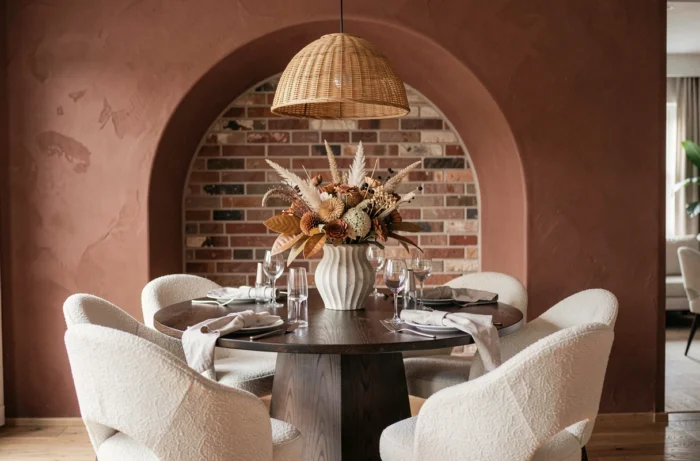
For a coherent decor project this season, we recommend systematically cross-referencing a product’s aesthetics with its emission data. A low-emission certified foam sofa and a solid wood piece without formaldehyde glue contribute as much to the atmosphere of a space as their shape or color.
Artificial Intelligence and Interior Design: Where is the Tool?
AI is becoming integrated into the professional interior design process. Concept visualization, moodboard generation, real-time space personalization: design studios are using these tools to accelerate the exploratory phase.
AI does not replace material selection or technical verification. It compresses the time between intention and the first visual proposal. A designer can test dozens of combinations of colors, furniture shapes, and space configurations in minutes, where the manual process would take several days.
The interest in interior decoration lies in the ability to offer personalized atmospheres on a large scale. A client who is torn between an organic style with soft shapes and a more geometric approach can visualize both options in their own space before ordering any furniture.
The limit remains clear: AI generates images, not specifications. The final choice of a table, covering, or light fixture still relies on physical criteria—touch, weight, durability—that the screen cannot convey.
Palettes and Shapes: Concrete Decor Trends for This Season
From a strictly aesthetic standpoint, this season’s trends confirm the return of earthy palettes: clays, golden sands, terracottas. These shades serve as a warm yet neutral base, far from the clinical white that dominated interiors in recent years.
Fluid, rounded shapes persist in furniture, from sofas to coffee tables. This trend has a functional justification: rounded edges facilitate movement in small spaces and reduce sharp angles, a relevant criterion in urban apartments.
- Furniture with visible artisanal finishes (lathe marks, irregular glazing, visible welds) stands out from mass-produced pieces
- Textiles with pronounced textures (looped, felted wools, crumpled linens) replace smooth, uniform surfaces
- Biophilic design, which incorporates living plant elements into the layout, goes beyond a simple plant pot to become a system (green walls, planters integrated into furniture)
These aesthetic orientations are not disconnected from the technical constraints mentioned earlier. A raw wood piece with an artisanal finish simultaneously meets the demand for traceability, reparability, and authentic texture. The most sustainable decor trend this season is one that stands on all three legs at once.