Women’s magazines still talk about diets before summer and looks to please. Television talk shows have barely more than a third of female speaking time. In this landscape, a handful of independent lifestyle media choose a different path: to tell the lives of women as they live them, without decorative filters or injunctions.
Lifestyle editorial line and female stereotypes: what independent media are changing
Traditional women’s press has operated for decades on a stable framework. Fashion, beauty, relationships, motherhood. These sections are not problematic in themselves. The issue arises when they become the only boxes in which a female voice can exist.
The independent media that have emerged in recent years break this framework. Their common point: a 360° model that mixes digital, print, and podcasts, with an editorial team rooted in real life. More social, geographical, and generational diversity in the published voices.
Some platforms have chosen to cover topics that mainstream press addresses little, such as female sexuality without taboos, professional mental load, or the place of women over fifty. This last angle deserves attention: the age group over fifty remains largely absent from lifestyle content, even though it represents a growing share of the online readership.
A detailed portrait of this type of editorial approach has been published on quoidemeuf.net on Modeusement Vôtre, illustrating how a media outlet can address fashion, culture, and society without reproducing the usual codes of women’s press.
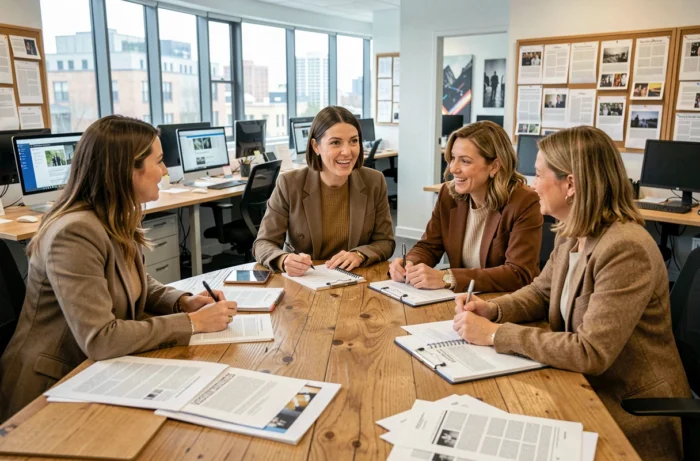
Female voice in the media: why format matters as much as content
Have you noticed that articles aimed at women often adopt a particular tone? Short sentences, gentle imperatives (“dare”, “focus on”), promises of quick transformation. This editorial formatting is not trivial. It conditions how the subject is perceived.
A media outlet that wants to reinvent the female voice must also rethink its formats. Long podcasts, for example, allow for intimate testimonies without cutting them into shocking quotes for social media. First-person written reports give space to lived experiences without turning them into “practical advice.”
The trap of superficial “empowering” content
Replacing “be beautiful” with “be strong” is not enough to break a stereotype. The simple replacement of one injunction with another, even positive, remains an injunction. Several independent media have understood this and prefer to document real journeys rather than distribute slogans.
The difference is measured in the choice of topics. A classic lifestyle media publishes “10 inspiring women to follow.” A media that breaks the codes publishes a twenty-minute interview with a woman who shares her doubts, failures, and choices without wrapping them in a heroic narrative.
Representation of women and generational diversity: a neglected angle
The majority of female lifestyle content targets an age group between twenty-five and forty-five. This editorial choice, often dictated by advertisers, creates a blind spot.
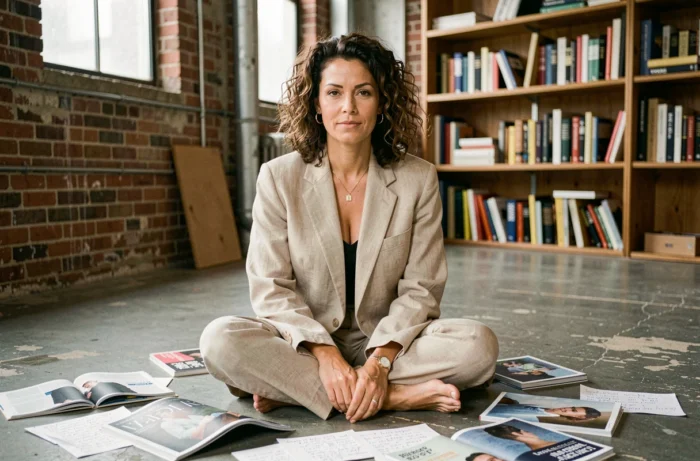
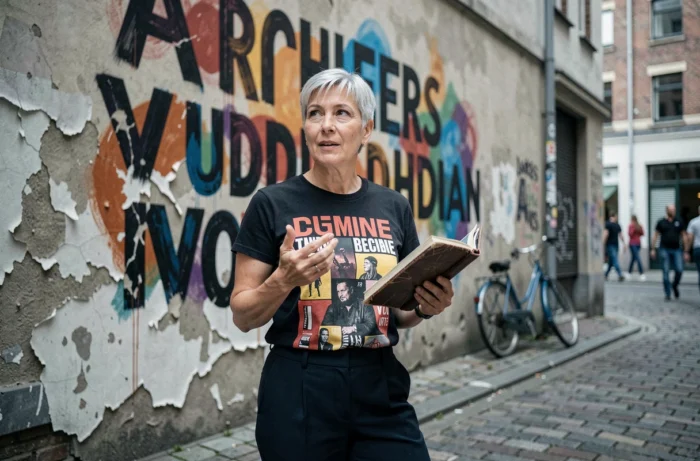
Women over fifty are almost invisible in lifestyle press, except when it comes to anti-aging cosmetics. Recent initiatives show that another narrative is possible. Some female writers claim their fifties as an age of power and freedom, far from the stereotype of decline.
This editorial repositioning attracts a loyal readership because it meets a concrete need: to see oneself reflected in media content. A fifty-five-year-old woman reading an article about career change wants to find situations similar to hers, not those of a thirty-something at the start of her career.
Three concrete markers of a lifestyle media that breaks stereotypes
- Diversity of published profiles: age, geographical origin, socio-professional category. A media rooted in local territories does not limit itself to Parisian testimonies.
- Absence of normative injunctions: no “you must,” no “you have to.” The content informs, documents, or narrates without prescribing behavior.
- In-depth editorial treatment: sensitive topics (sexuality, mental health, discrimination) are the subject of long, sourced formats, not brief pieces tailored for clicks.
Independent women’s media: a still fragile economic model
Producing content that rejects traditional advertising injunctions poses a direct question: how to finance the editorial team? Independent women’s media operating in 360° (website, newsletter, podcast, sometimes print) often rely on a mix of subscriptions, donations, and selective partnerships.
This model has an advantage: it allows for real editorial independence. When a magazine depends on a cosmetic advertiser, addressing the issue of injunctions to eternal youth becomes tricky. A media funded by its readers does not have this constraint.
The fragility comes from volume. An independent editorial team cannot produce as much as a press group, which limits its visibility in search results and on social media. The quality of the content partially compensates for this handicap, but it does not always ensure financial sustainability.
The movement towards the de-institutionalization of the female voice, driven by blogs transformed into media and smaller, sometimes regional editorial teams, nonetheless outlines a lasting trend. The demand exists. Readers looking for a lifestyle media without stereotypes do not return to traditional press once they have found a credible alternative.