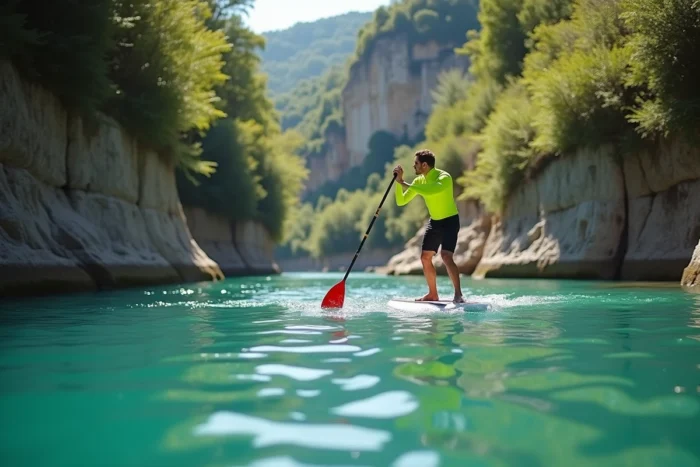
Water sports in France cover a wide spectrum, from contemplative paddle boarding to intense water skiing. According to an analysis by Figaro Nautisme published in July 2024, the French now prefer calm and accessible activities on the water, moving away from the traditional image of sliding sports reserved for experts. This shift in preferences is reshaping the landscape of summer activities and deserves to be measured before choosing one’s activity.
Comparing Water Activities: Effort, Accessibility, and Practice Environment
Competing articles align the disciplines without comparing them. The table below cross-references the parameters that matter when choosing: physical intensity, learning time, and suitable water type.
| Water Sport | Physical Intensity | Beginner Accessibility | Preferred Environment |
|---|---|---|---|
| Stand up paddle | Low to moderate | Very accessible | Lake, calm river, flat sea |
| Kayak / canoe | Moderate | Very accessible | River, lake, coastal sea |
| Snorkeling | Low | Very accessible | Sea (rocky bottoms, seagrass beds) |
| Light sailing | Moderate to high | Medium (requires initiation) | Sea, large lakes |
| Surfing | High | Medium to difficult | Ocean (consistent swell) |
| Water skiing | High | Medium (supervision required) | Lake, water sports center |
| Wingfoiling | High | Difficult (quick progression afterwards) | Sea, windy water body |
| Scuba diving | Moderate | Medium (supervised initiation) | Sea (Mediterranean, Brittany) |
The contrast between the first two rows and the following ones reflects the trend identified by Figaro Nautisme: paddle boarding and kayaking dominate summer practices because they combine a low entry barrier with a variety of water types. No need for an ocean or wind; a lake or river is sufficient.
High-intensity disciplines (surfing, wingfoiling, water skiing) maintain a loyal following. However, their practice remains concentrated in specific spots and requires supervision or technical equipment.
Paddle and Kayak in France: Why These Water Sports Are Growing
The growth of stand up paddle and recreational kayaking is based on three converging factors that French water sports centers have been leveraging for several years.
- Hourly or half-day rentals make practice possible without material investment, on most lakes and rivers across the territory.
- These two disciplines cater to a desire for contact with nature rather than sports performance, broadening the audience to families and complete beginners.
- The network of rental points extends well beyond the coast: inland water bodies in Brittany, alpine lakes, rivers in the Southwest.
This geographical accessibility changes the game. While surfing requires the Atlantic coast and kitesurfing a specific windy spot, paddle boarding can be practiced within an hour’s drive of most major French cities. To compare equipment and rental options suitable for each discipline, the catalogs available on h2osport.fr allow for a quick visualization of the necessary gear based on skill level.
Kayaking shares this logistical advantage. It adds an exploration dimension that paddle boarding does not always offer: river descents, multi-hour water hikes, access to coves inaccessible by foot.
Surfing, Sailing, and Wingfoiling: Sliding Sports with Specific Conditions
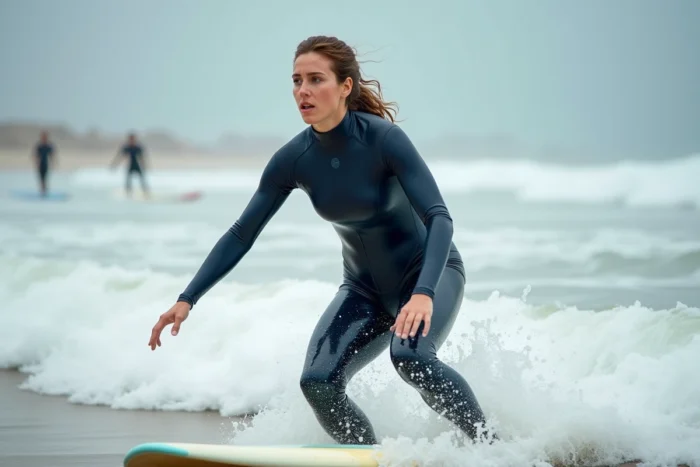
In contrast to gentle activities, sliding sports depend on precise meteorological and geographical parameters. Surfing requires consistent swell, which limits summer practice to the Atlantic and Basque coasts. Light sailing demands stable wind and sufficiently clear water.
Wingfoiling exemplifies this condition constraint. A rapidly growing discipline, it attracts enthusiasts with the sensation of flying above the water. Technical progression occurs quickly after the first hours of learning, according to feedback from specialized water sports centers. But without wind, there’s no session.
Water skiing partially escapes this climatic dependence as it relies on being towed by a boat. However, it remains confined to equipped water sports centers, often on inland lakes. Its practice cost is significantly higher than that of paddle boarding or kayaking due to the motorization and mandatory supervision.
Diving and Snorkeling: The Alternative Below the Surface
Scuba diving and snorkeling occupy a unique place. Snorkeling (mask, fins, snorkel) requires almost no learning and can be practiced as soon as the underwater scenery is visually interesting: Mediterranean, Glénan archipelago in Brittany, marine reserves along the coast.
Scuba diving requires a supervised initiation by a certified instructor. Diving initiations are offered in most French seaside resorts, generally at sites where depth and visibility are suitable for beginners.
Regulations and Safety for Nautical Leisure Activities at Sea
A point often missing from most general articles concerns the regulatory framework. The guide to nautical leisure published by the Ministry of the Sea reminds that practicing at sea imposes varying obligations depending on the distance from the shore and the type of vessel.
- Paddle boarding and kayaking used beyond a certain distance from the shore require individual safety equipment (life jacket, light device).
- Motorized vessels (jet skis, boats towing skiers) are subject to navigation channels and regulated zones near beaches.
- Scuba diving requires supervision by a certified professional for non-certified individuals.
Checking local rules before any nautical outing remains the most underestimated precaution. Prefectural orders vary from one coastal department to another, particularly regarding swimming zones and navigation corridors.
The choice of a water sport this summer depends less on a subjective ranking than on three measurable variables: the available water body nearby, the time one is willing to dedicate to learning, and the material or rental budget. Attendance data shows that the French have already opted for accessible practices, with paddle boarding and kayaking leading the way, without the technical disciplines losing their passionate audience.